
Sleep Apnea
Understanding Sleep Apnea Syndrome
The Disorder
Obstructive Sleep Apnea Syndrome (OSAS) is defined by repeated episodes of upper airway obstruction of 10 seconds or more during sleep.
These obstructions can be complete (apnea) or partial (hypopnea). They may occur hundreds of times per night and often trigger micro-arousals, fragmenting sleep and significantly reducing its quality.
The events are frequently associated with loud snoring and place considerable stress on the cardiovascular system.

Symptoms
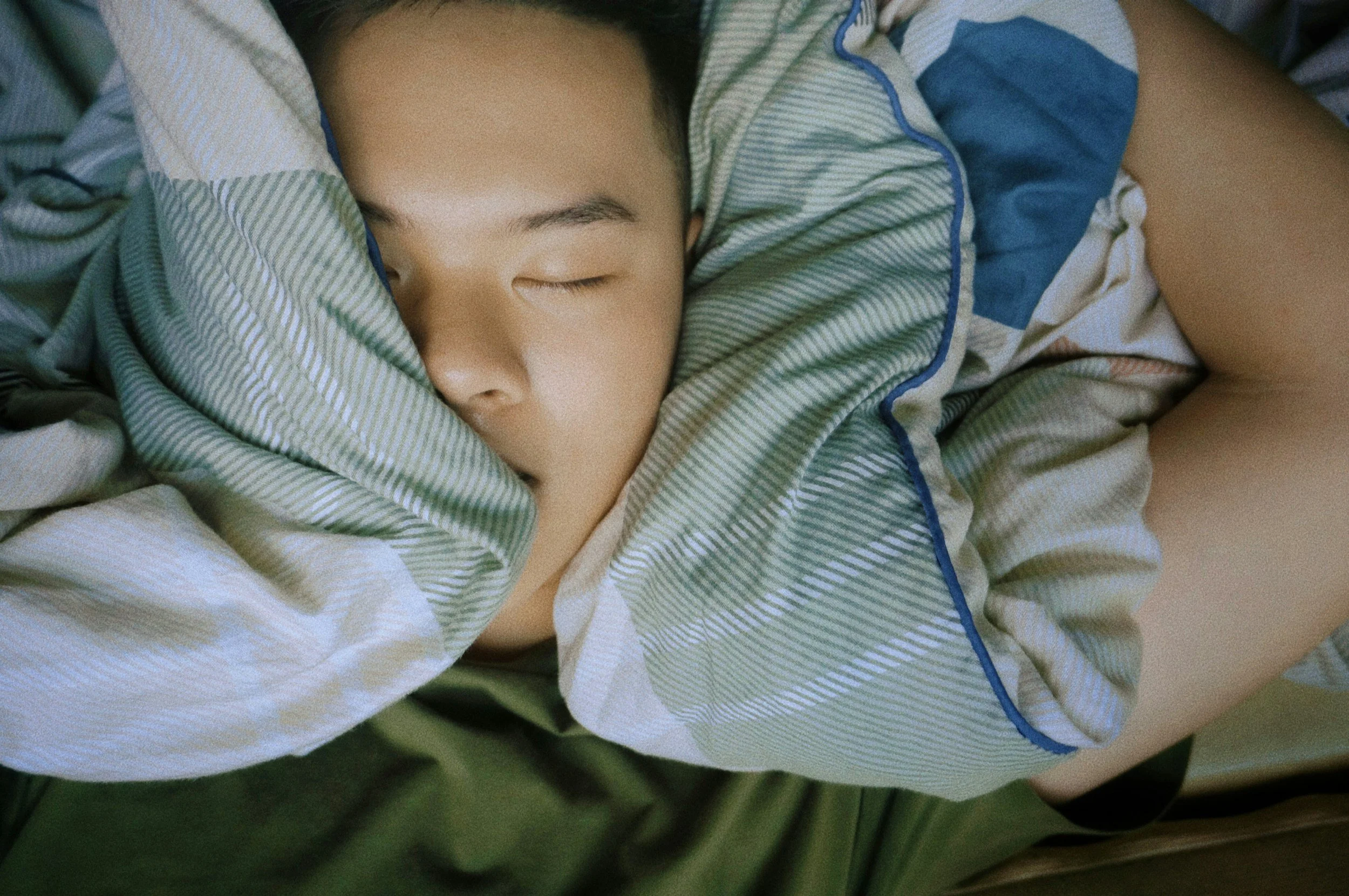
Sleep apnea is often first noticed by your partner, who may observe pauses in breathing or be disturbed by loud snoring. However, many symptoms can go unnoticed. You may be affected if you experience:
excessive daytime sleepiness
persistent fatigue despite sufficient sleep
memory or concentration difficulties
choking or gasping during sleep
night sweats
frequent nighttime urination (nocturia)
morning headaches
irritability, mood changes, or depression
reduced libido
Consequences
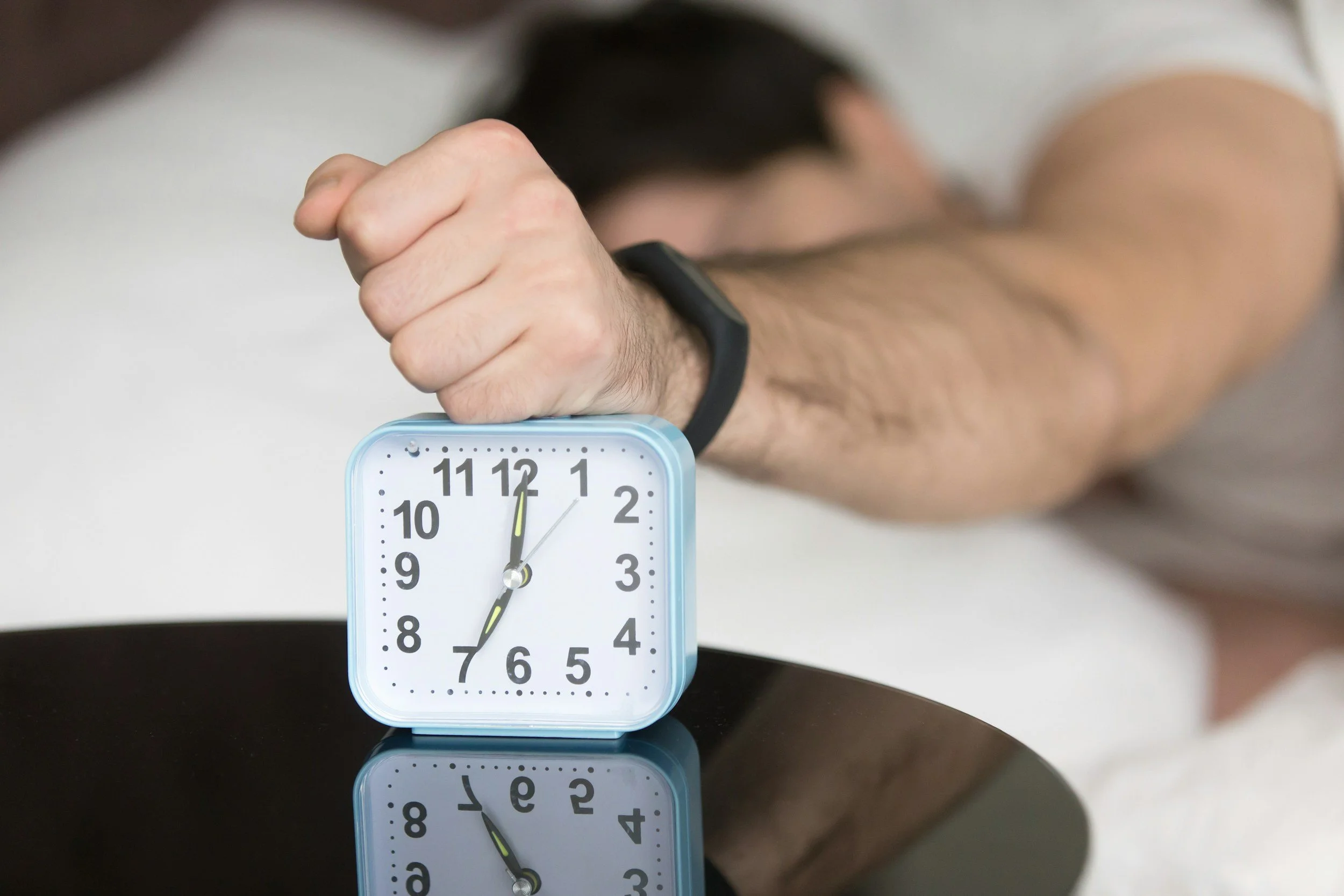
When the disorder is left untreated, sleep apnea can affect all aspects of daily life. Poor sleep quality may lead to reduced concentration, impaired cognitive performance, mood disturbances, and persistent fatigue or daytime sleepiness.
Beyond daily discomfort, untreated sleep apnea is associated with serious health risks, including:
up to 15 times higher risk of road accidents
increased risk of workplace accidents
higher risk of cardiovascular disease
increased risk of obesity and type 2 diabetes

Risk Factors
According to the French National Authority of Health (HAS), around 4% of the French population is affected by sleep apnea, yet only 15% of cases are currently diagnosed. However, more recent studies suggest that these figures may be significantly underestimated.
Agre is a major risk factor for obstructive sleep apnea syndrome (OSAS). After the age of 65, up to 30.5% of people may be affected, partly due to the natural loss of muscle tone. However, the disorder is not limited to older individuals and can affect all age groups. It is estimated to affect approximately 7.9% of adults aged 20 to 44, and 19.7% of those aged 45 to 65.
Overall, men are more frequently affected than women, although this difference tends to decrease with age. After menopause, the ratio is approximately two men for every woman affected.
Certain anatomical features and lifestyle factors can also increase the risk of OSAS.
Diagnosis
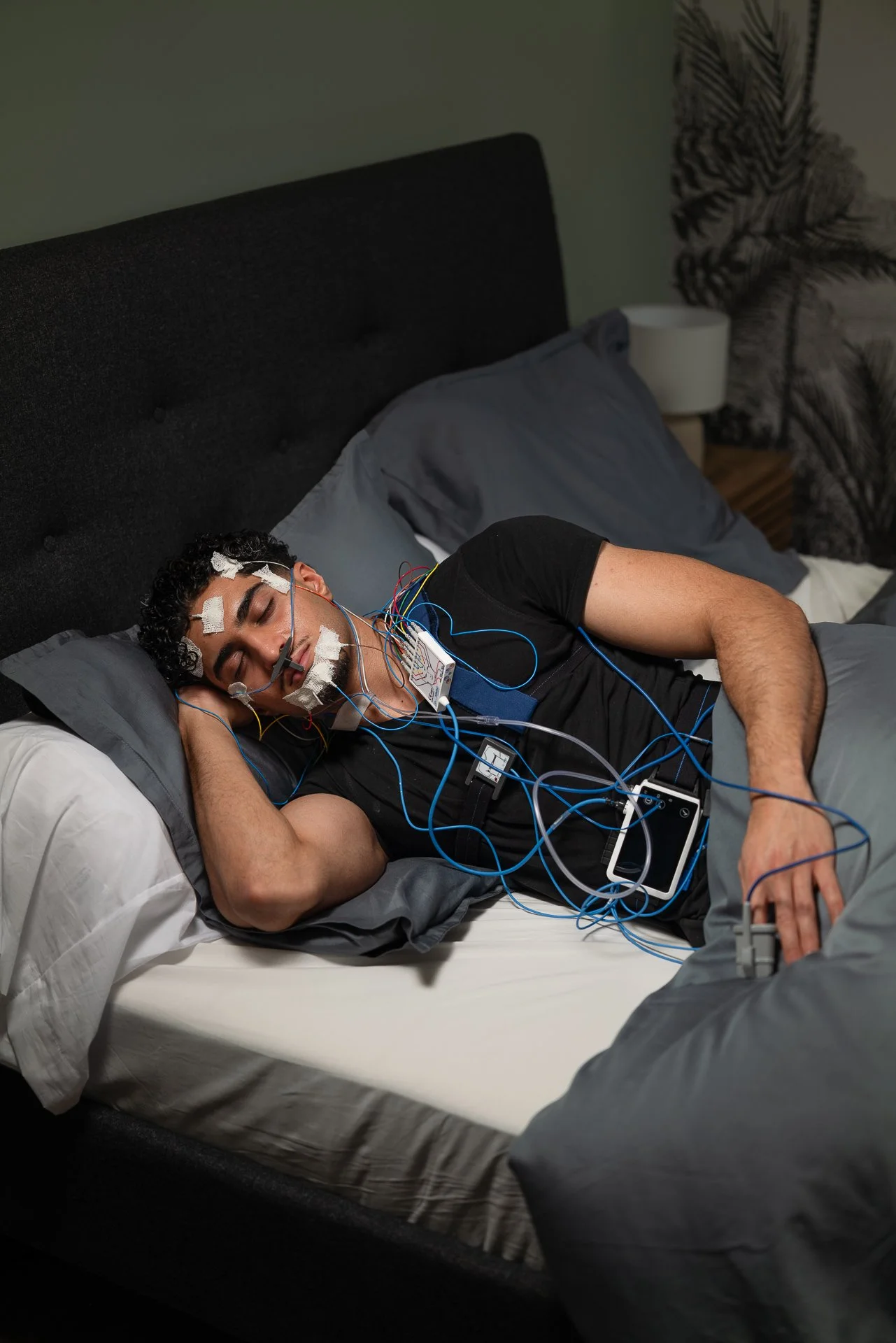
Polysomnography (often abbreviated PSG) is the gold standard for diagnosing suspected sleep apnea. It can be performed in a sleep laboratory or, in some cases, at home, and provides comprehensive information on sleep quality. This test involves the continuous recording and analysis of multiple parameters, including sleep stages and cardio-respiratory activity throughout the night. It allows clinicians to confirm the presence of sleep apnea and assess its severity.
Nocturnal respiratory polygraphy (PG) is a simpler test that records cardio-respiratory signals for at least 6 hours during sleep. Sensors are typically applied in a medical setting, but the test is most often performed at home. Although less comprehensive than polysomnography, polygraphy is widely used as a convenient first-line diagnostic tool in many cases.
If you have any doubts, speak to your doctor or start by taking the Epworth Sleepiness Scale.
Treatment
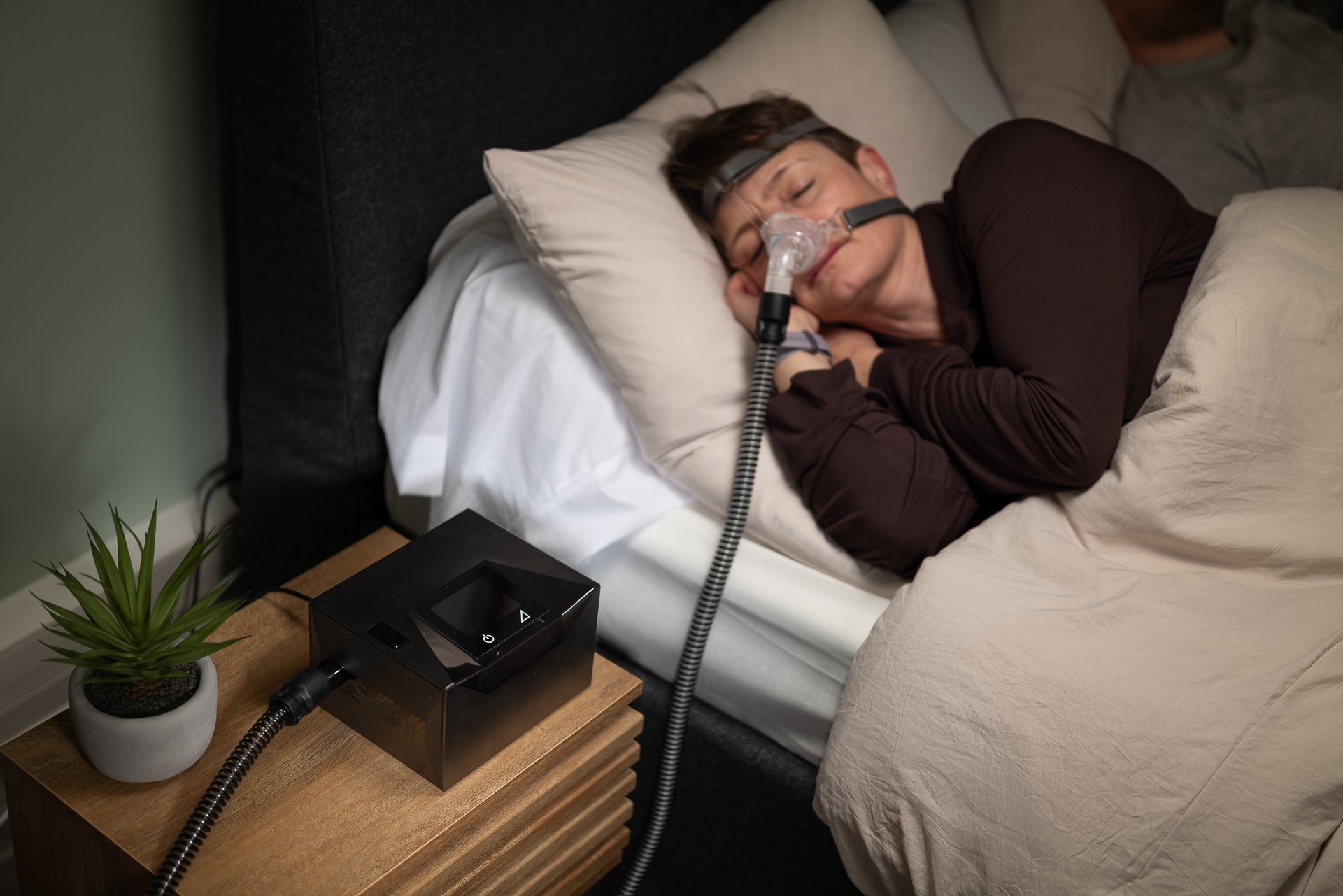
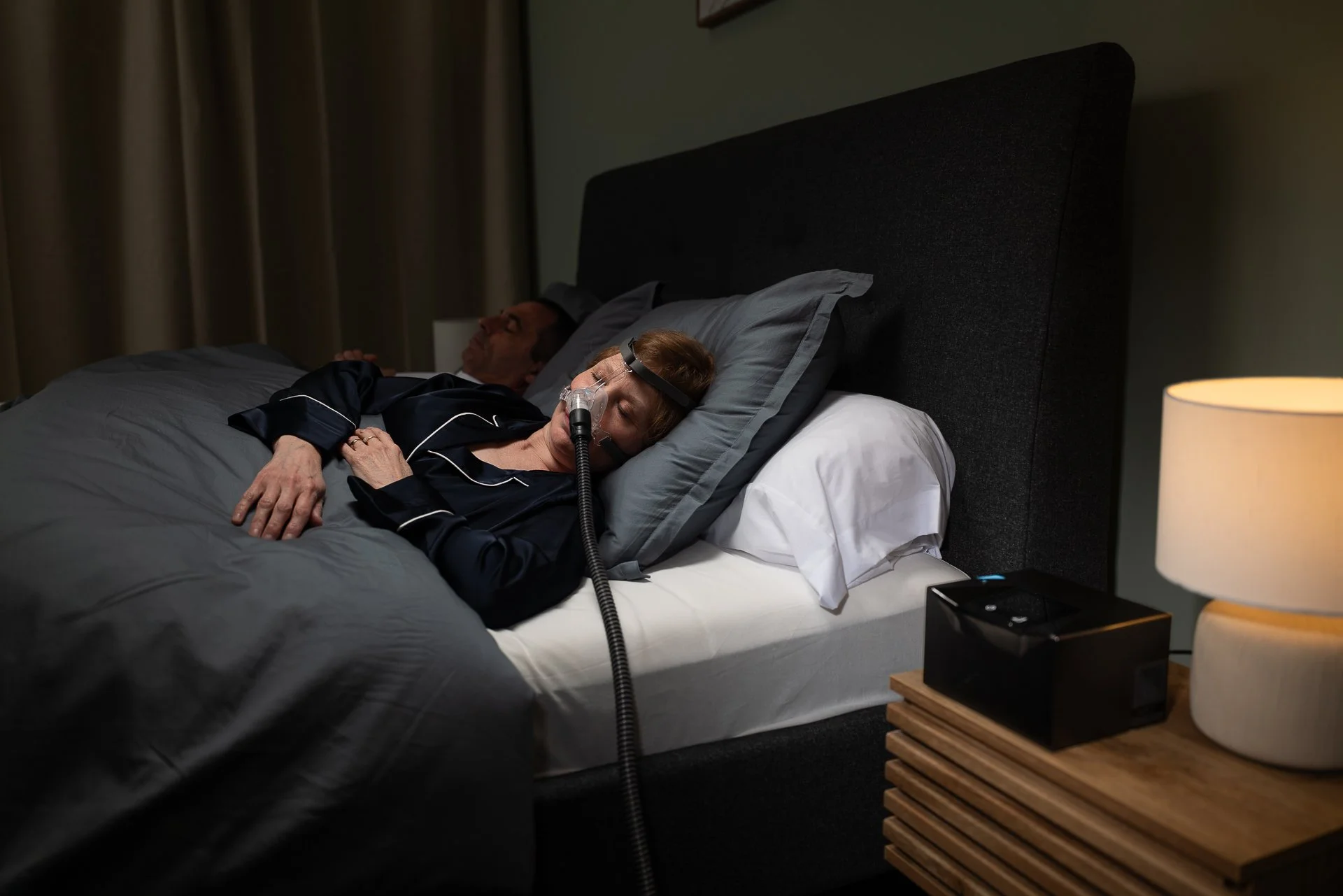
Continuous Positive Airway Pressure (CPAP) therapy is currently the most effective treatment for Obstructive Sleep Apnea Syndrome (OSAS), with benefits that largely outweight its constraints.
CPAP works by delivering a continuous flow of air into the airway suring sleep, keeping it open, restoring normal breathing patterns. The device is used with a nasal or full-face mask connected to a tube.
Once prescribed, the CPAP device is set up by home healthcare provider, who plays a key role in patient education, support, and long-term adherence to therapy.
From the very first nights of treatment, apneas and hypopneas are significantly reduced or eliminated, leading to improved sleep quality and a progressive reduction of daytime symptoms.
A Mandibular Advancement Device (MAD) may be prescribed as an alternative treatment for mild to moderate sleep apnea or when CPAP is not tolerated. This dental device repositions the lower jaw forward during sleep, helping to maintain an open airway.
Surgical treatment may be considered in selected cases, particularly when anatomical abnormalities contribute to aierway obstruction. However, it is not the first-line treatment.